
If you’re trying to decide between roof rejuvenation and a full roof replacement, you’re probably in that uncomfortable middle zone: your roof isn’t catastrophically failing… but you can tell it’s not brand new either. And because a replacement can be a five-figure bill, it’s tempting to hope rejuvenation is the “secret third option.” Sometimes it is! Lets take a look.
Quick definitions (so we’re comparing the right things)
Roof rejuvenation (in the asphalt-shingle world) is typically marketed as a treatment intended to restore some flexibility and slow aging in shingles that are drying out. It’s best thought of as maintenance for a roof that’s still structurally sound.
Roof replacement is exactly what it sounds like: tearing off and installing a new roofing system. It’s a reset button—expensive, but it solves end-of-life problems that maintenance can’t.
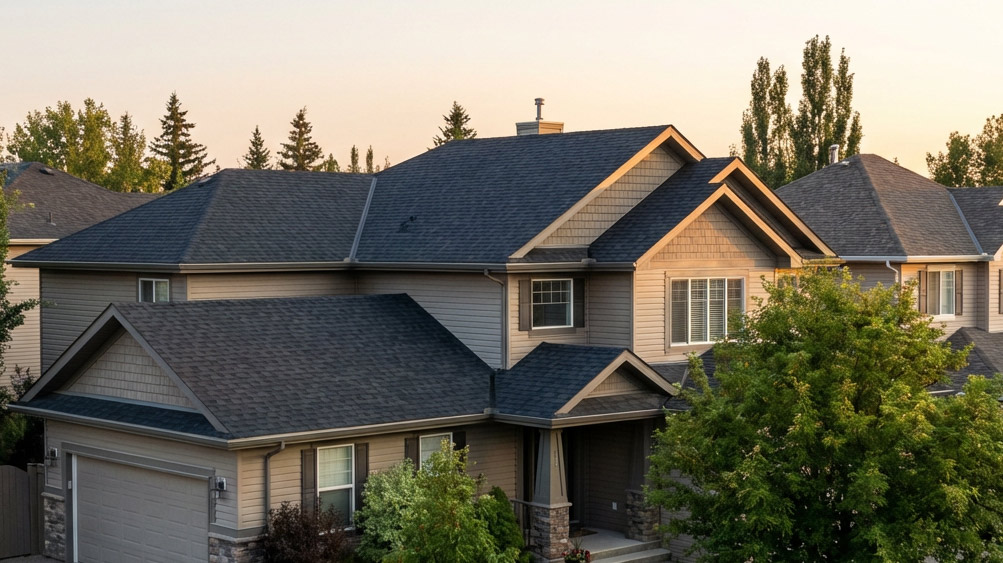
Here’s the simplest way to decide:
A common mistake is trying to use rejuvenation as a repair for failure. It’s not built for that.
Roof rejuvenation tends to be most logical when all three of these are true:
No chronic leaks. No soft spots. No widespread shingle failure. No obvious storm damage that needs real repair.
Think: shingles look “dry,” brittleness is creeping in, the roof is mid-life and you’re trying to slow the clock.
This is the best mindset: rejuvenation as a way to avoid an emergency replacement, buy time to plan finances, and replace on your schedule instead of the roof’s schedule.
Cost angle: Many rejuvenation providers position treatment as significantly cheaper than replacement. Roof Maxx, for example, says pricing varies but frames treatment as allowing homeowners to save “up to 80%” versus replacement (vendor claim, not universal).
As a third-party consumer site, the clean way to say it is: rejuvenation is usually priced to be materially less than replacement, but pricing depends on roof size, region, and provider.
Replacement starts making sense when your roof can’t reliably perform the basic job anymore—or when the risk of “waiting” is too high.
Leaks aren’t always because shingles are old. They’re often because of flashing, valleys, vents, chimneys, skylights, clogged gutters, or penetrations—system details that a treatment won’t fix.
If you’re dealing with water getting inside the home, you should treat that as a “system failure investigation,” not a maintenance opportunity.
Replacement is usually the right move when you’re seeing:
If the underlying structure is compromised, maintenance on the surface doesn’t change that. This is replacement territory.
Age alone isn’t the deciding factor—condition is—but age plus symptoms usually means replacement is the better spend.

Replacement costs vary wildly by region, roof complexity, material, and labor rates, but consumer finance sources put asphalt shingle replacement in a broad range.
Rejuvenation pricing is less standardize - it really depends on the vendor. However it is typically much more affordable - all of the Alberta providers we talked to quoted between $0.80 and $3 per sqaure foot. More importantly though, all of the major providers offered a roof inspection and free quote for their service - which means you can do the exact math.
Translation: replacement is a major capital expense; rejuvenation is usually positioned as a fraction of that. But the decision still has to be about condition and risk—not just sticker shock.

This is where people make bad calls.
If you evaluate rejuvenation as “cheap replacement,” it will always feel like a bargain. But that’s not the comparison. The right comparison is:
If your roof is failing, rejuvenation can become money spent on a problem that still needs replacement—often with added risk of interior water damage if you delay too long.
At the end of the day, the best way to think about this decision is in cost per year of reliable roof performance. Don’t evaluate rejuvenation as “a cheap roof replacement,” because it isn’t meant to be that. Instead, take the price and divide it by the number of credible years it’s likely to buy you, based on your roof’s condition and whether any leak sources have already been repaired. If rejuvenation helps you avoid an emergency replacement, lets you replace on your timeline, and keeps a structurally sound roof going a little longer, it can be a very rational move—especially when replacement costs commonly land in the many-thousands (and sometimes well beyond) depending on material and region. But if your roof is already failing—active leaks, widespread shingle breakdown, soft decking, or storm-compromised areas—then rejuvenation isn’t a smart shortcut; it can turn into expensive denial. In that situation, replacement is usually the decision that saves you the most money (and stress) over the long run.