
If you already have solar panels up there and you’re considering roof rejuvenation, you’re probably not wondering “does this work?”—you’re wondering what it’s going to do to your system. Will the treatment mess with the panels or wiring? Is it going to void something or create a leak headache? Will it cost more because the crew has to work around the array? And if something goes wrong, can the panels actually be damaged?
The short version: roof rejuvenation and solar can absolutely coexist, but you want to approach it like a careful job on a roof that’s already “occupied”—because the difference between a smooth, clean process and an expensive, annoying one usually comes down to whether the company treats your panels like delicate equipment or like obstacles.

It shouldn’t—if the company protects the array properly. Solar panels are basically glass and aluminum; they can handle weather all day. The weak points aren’t the panels themselves. It’s the stuff around them:
A competent crew will treat your array like a “do-not-touch zone”: masking/covering where needed, avoiding electrical components, controlling runoff, and not blasting product into places it doesn’t belong.
If a company can’t clearly explain how they protect panels and hardware during application, that’s your sign.
Direct physical damage is unlikely unless someone is careless (walking wrong, dropping tools, leaning ladders where they shouldn’t). The more realistic risks are:
Usually, yes—not because it’s insanely harder, but because it’s slower and more careful.
Expect possible add-ons like:
What you’re really paying for is control—and honestly, that’s what you want. The cheapest quote is the one most likely to become the most expensive later.
Most of the time: no. Most shingle-preservation treatments focus on the areas that are accessible. The shingles under the array are often harder to reach without removing panels—and in many cases, they’ve also been shielded from the worst UV/weather.
Where removal enters the conversation is when:
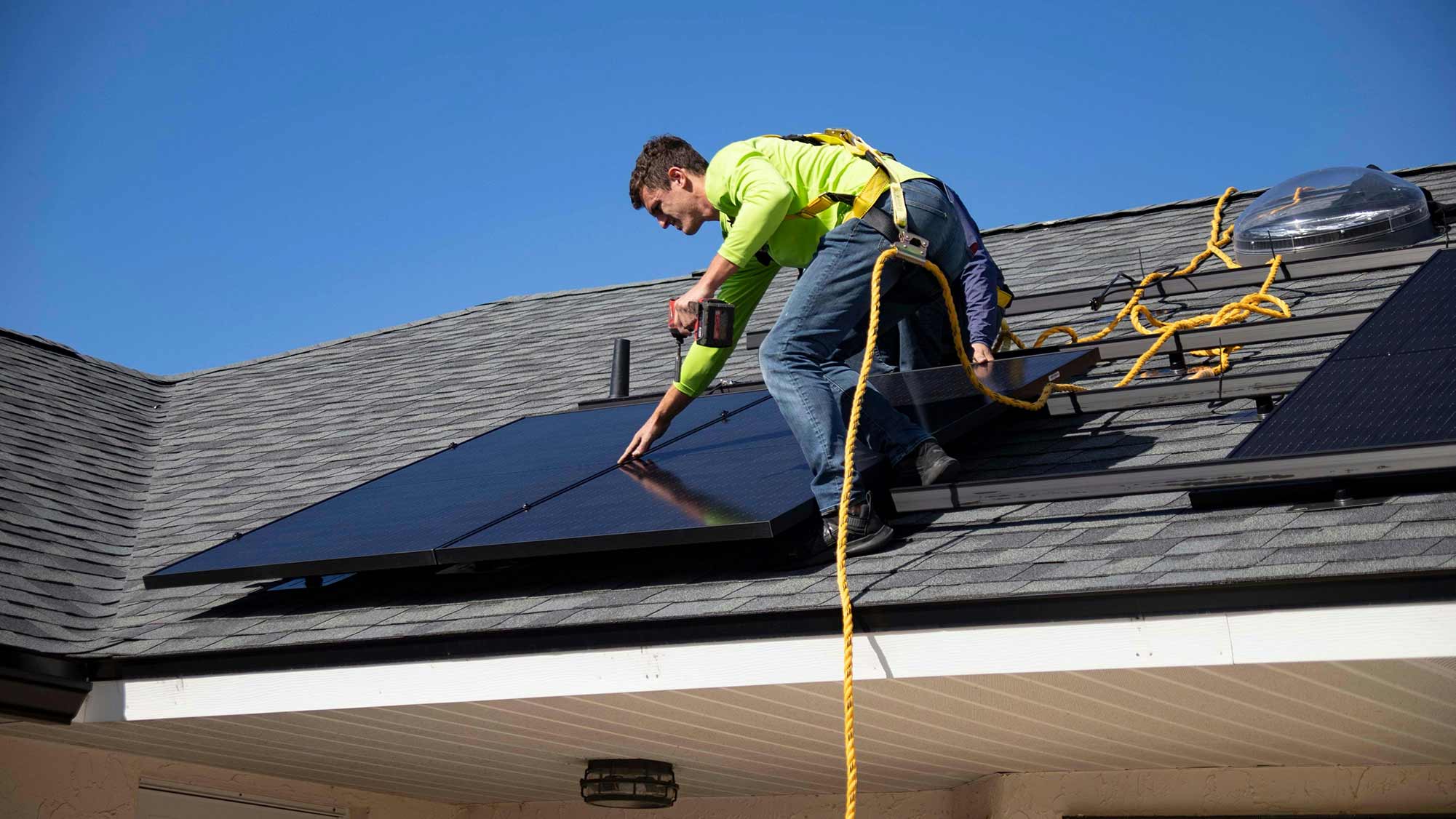
Also keep in mind: if you ever do need major roof work later, solar removal/reinstall is its own cost. One estimate puts removal + reinstall in the low-thousands as a common range, but it varies heavily by system size and roof complexity.
This is where people get nervous, because everyone’s heard a story about warranty finger-pointing.
Here’s the practical reality:
And here’s the part homeowners miss: even when a warranty “remains in place,” the fine print may still leave you holding costs like removing the solar system to allow inspection.
Bottom line: warranties aren’t a reason to panic, but they are a reason to document the job and hire adults.
If you take one thing from this article, take this:
Most roof + solar problems show up at penetrations.
That’s mounts, lag bolts, flashing details, and anything that penetrates the roof system. If those were done right, you usually sleep fine. If they were done “good enough,” that’s where leaks and disputes are born.
A roof rejuvenation company shouldn’t be messing with mounts—but they are working in the same area, so they need to know what they’re looking at and what to avoid.
Ask your roof treatment provider:
If they answer those cleanly, you’re probably dealing with a pro. If they get vague, defensive, or act like you’re being difficult—move on.
I’ll say this plainly: if your roof is already failing, don’t try to “rejuvenate” your way out of a replacement.
Red flags:
In those cases, the smart move is to fix the roof properly—because preserving a roof that’s past its point isn’t saving money, it’s delaying the bill and adding complications.

At the end of the day, if your roof qualifies for shingle preservation, doing it before you’re forced into a replacement is one of the smartest moves you can make as a solar homeowner—because roof replacement gets way more expensive the moment panels enter the picture. It’s not just “new shingles and done.” You’re usually paying for a whole extra job on top: a solar crew to remove the array, store it safely, then come back and reinstall it once the roof work is finished. That’s extra labor, extra scheduling, and extra chances for delays—and it turns a normal roof replacement into a much bigger, messier bill. Preserving the roof while it’s still structurally sound is how you buy time, protect the investment you already made in solar, and avoid paying that removal-and-reinstall “solar tax” earlier than you need to.