
There is no single lifespan figure that applies to every roof rejuvenation product and every roof. A useful estimate needs to identify the treatment, the roof’s current condition, the evidence behind the proposed benefit and how the roof will be checked afterwards.
Before comparing an offer of “extra years,” separate three different things: expected added roof life, written treatment coverage and the next assessment date.
Added life, warranty and reassessment are different
The term:Expected added service life
What it tells you:The provider’s estimate of useful life the treatment may help preserve
What it does not establish:A guaranteed replacement date for your whole roof
The term:Warranty period
What it tells you:How long a particular written promise applies
What it does not establish:Coverage for every leak, storm or roof-system failure
The term:Reassessment interval
What it tells you:When someone should inspect the roof again
What it does not establish:Automatic approval for another treatment
Ask the provider to write down all three. If the answer is one number repeated in every box, ask how those promises relate to each other.
Start with the roof you actually have
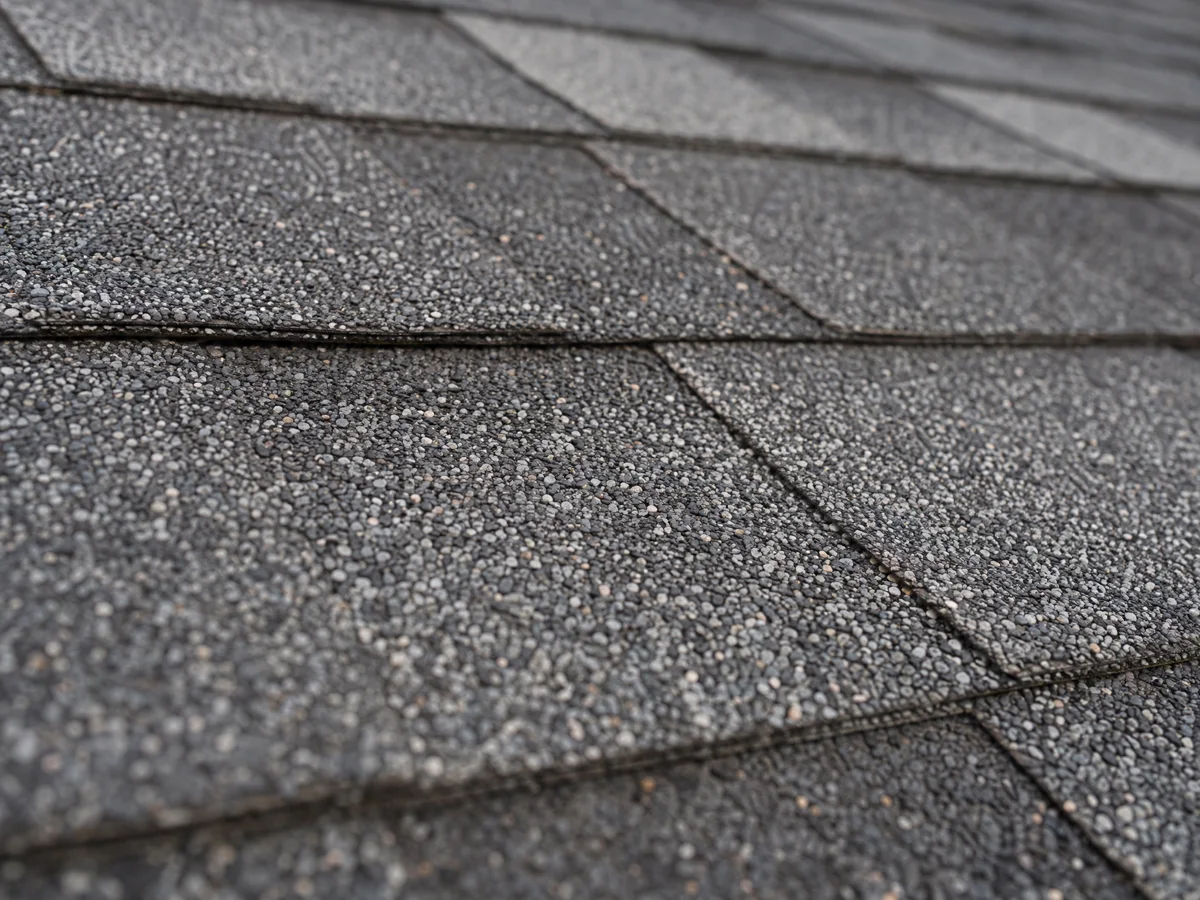
A treatment is applied to existing material. That makes the starting condition central to the decision. Ask the assessment to document granule coverage, shingle condition, damaged areas, flashing concerns and any repairs needed first.
A roof with intact shingles and age-related wear presents a different decision from one with widespread deterioration or active leaks. Our qualification guide explains those distinctions.
Do not let the installation year do all the work. Two roofs of the same age can have different exposure, installation history, repairs and condition.
Ask what supports the estimate
If a provider expects a certain number of additional years, ask what that estimate is based on:
- Testing on the exact treatment being offered.
- The property measured, such as flexibility, rather than a general claim of “better performance.”
- Field follow-up on comparable roofs over time.
- The condition recorded during your assessment.
- Assumptions about future maintenance and repairs.
A material test and years of whole-roof service are different kinds of evidence. A useful explanation connects the two without pretending they are interchangeable. See our effectiveness guide for the broader treatment discussion.
The Asphalt Roofing Manufacturers Association advises against field application of coatings or rejuvenators on installed shingles. Establish the original shingle manufacturer’s position on the specific treatment as part of the decision, alongside the provider’s evidence.
What does a five-year warranty mean?
It means reading a five-year set of terms, not assuming the roof has been reset to a new condition. For example, Roof Maxx’s published warranty covers a defined flexibility commitment for five years, with a specified test and prorated retreatment remedy. It does not cover every roofing failure.
The practical lesson is to compare the expected outcome with the actual coverage. Ask what happens if the shingles no longer meet the promised condition, who assesses them and what costs remain yours.
When should the roof be checked again?
Agree on a follow-up plan when booking the work. Record the treatment date, baseline photos, repairs and the provider’s recommended inspection date. Ask which changes should trigger an earlier call.
Between professional checks, keep a simple record of visible changes from the ground and any interior water signs. New leaks, missing shingles or noticeable change after a storm call for diagnosis rather than waiting for a treatment anniversary.
Appearance alone is a poor progress report. A darker colour immediately after application does not tell you how many years the whole roof has gained.
Can another application add more years?
Some products are offered as repeat-treatment systems. That does not make repeat treatment automatic. At the next assessment, the roof still needs to be a suitable candidate, the proposed application must follow the product’s instructions, and the manufacturer-compatibility question still matters.
Avoid adding several advertised treatment periods together and treating the sum as a guaranteed lifespan. Future roof condition and future work are not established by today’s quote.
Use the estimate to make a better budget
Ask for a clear expected outcome and a sensible plan for checking it. Then compare the treatment cost with repair and replacement options for your property. Our savings guide explains cost per added year.
The goal is enough information to plan your next roofing decision, rather than relying on a date that nobody has explained. Find an Alberta provider and ask for a roof-specific assessment.